
Modern Languages
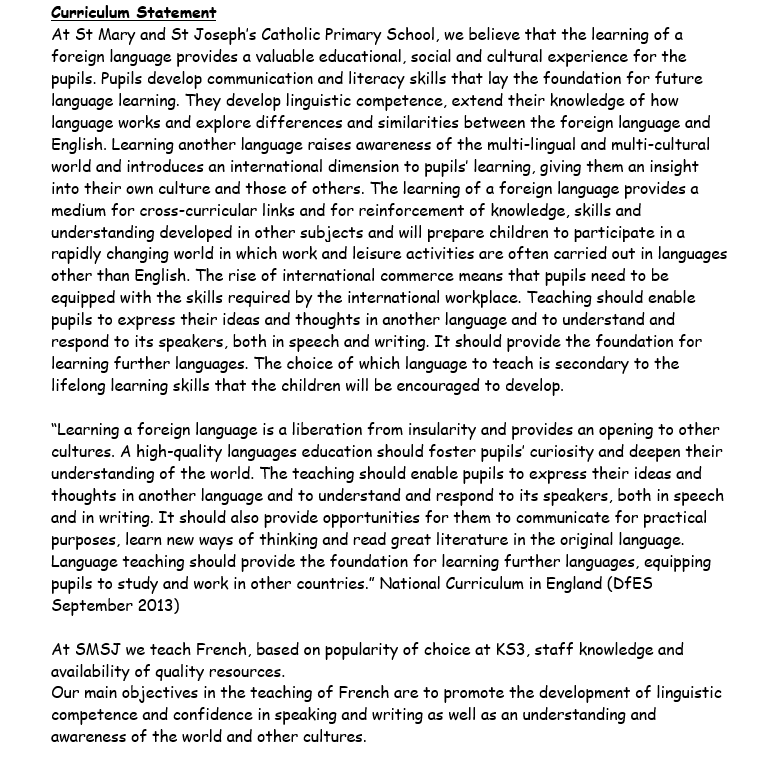
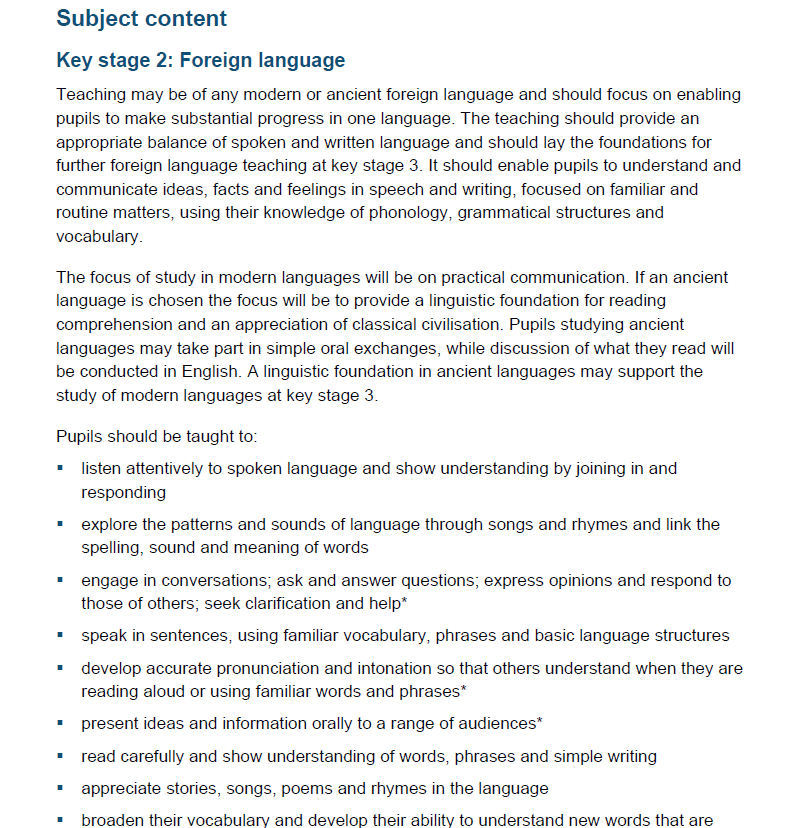
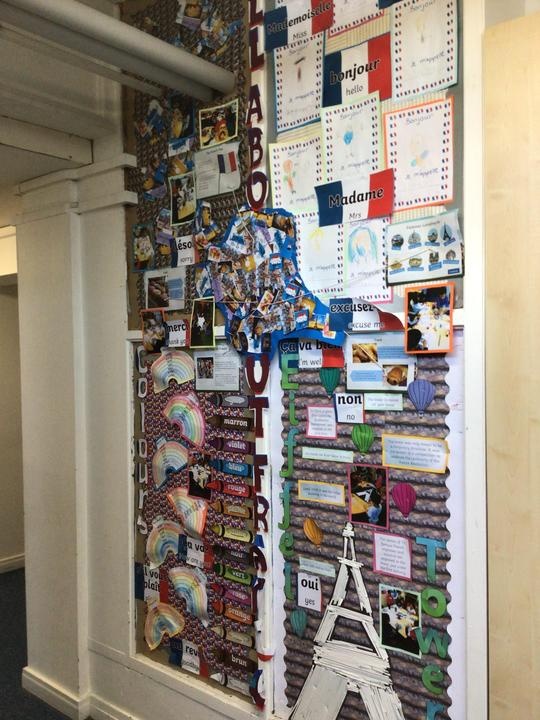
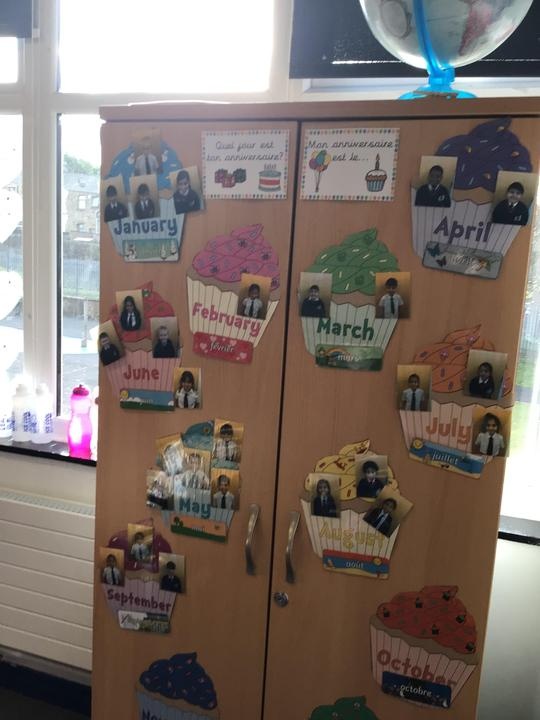
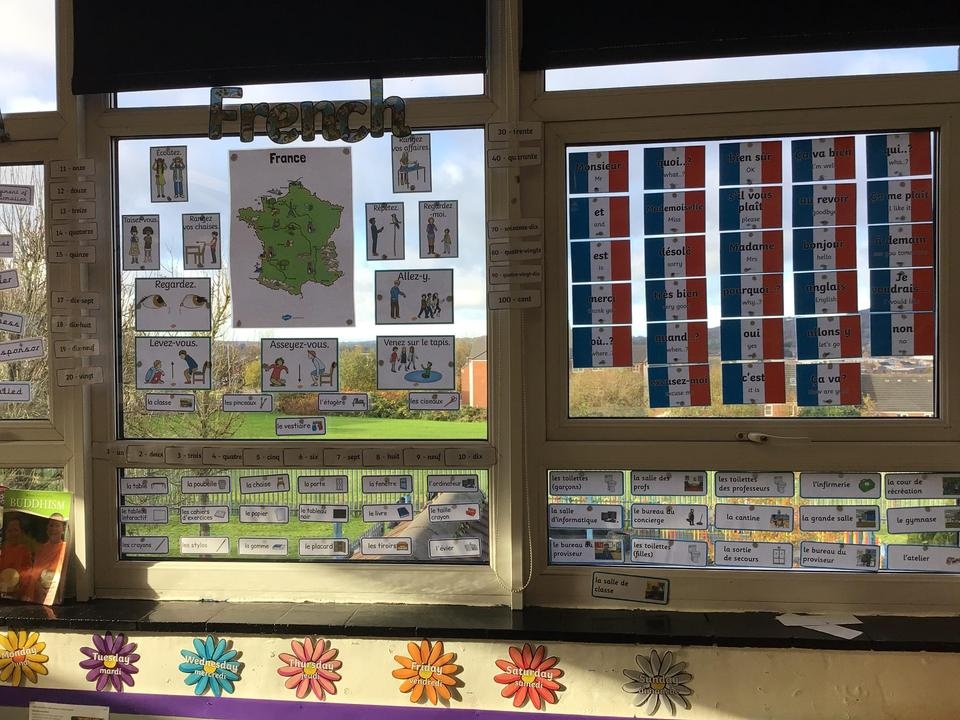
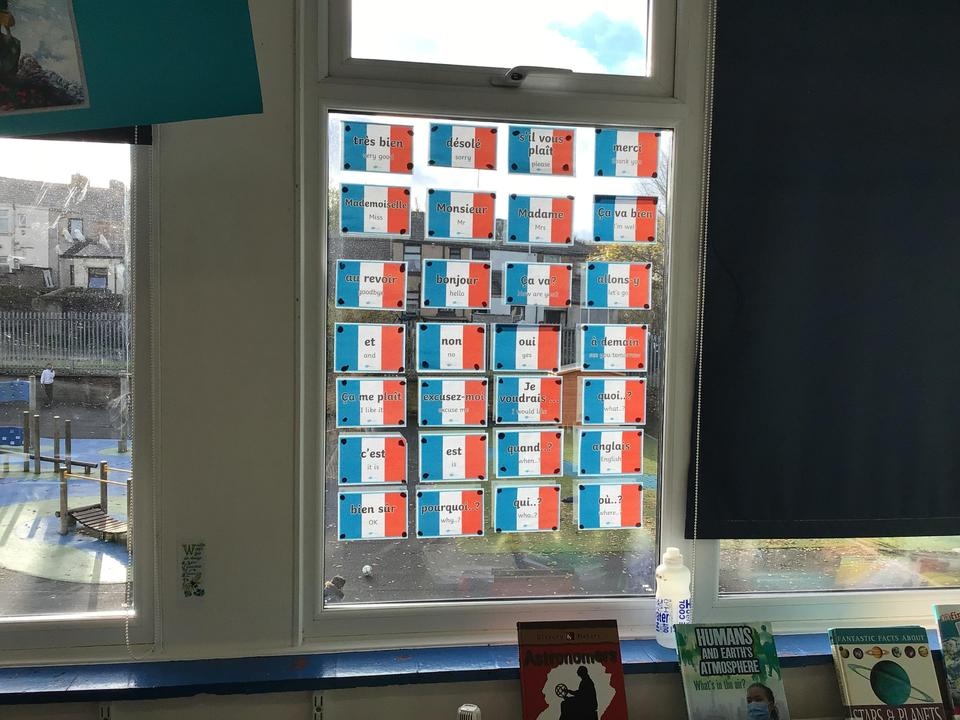
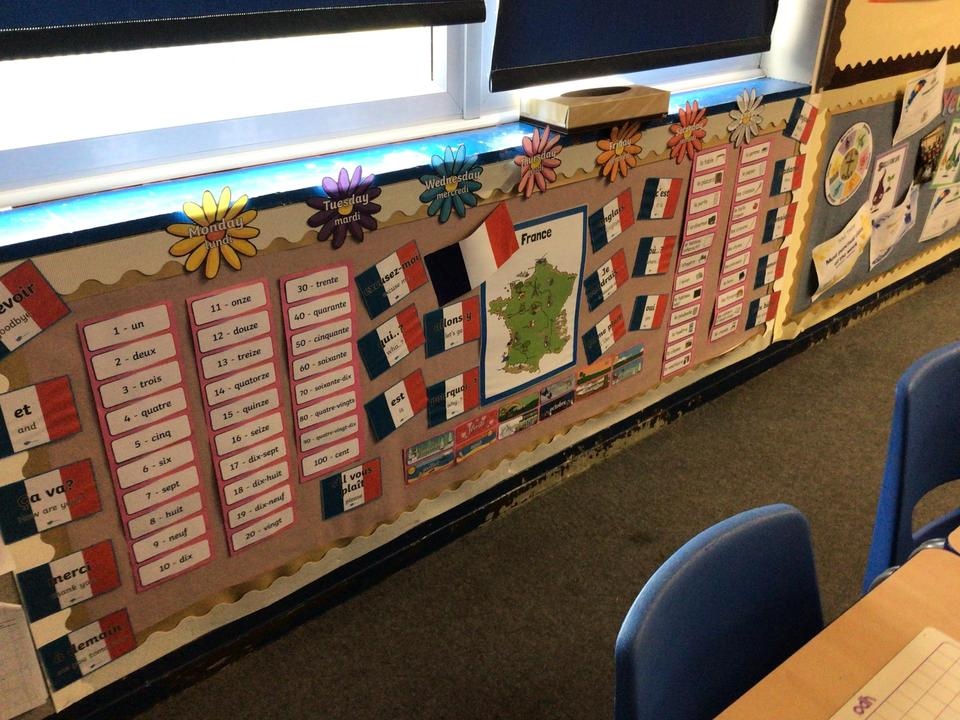
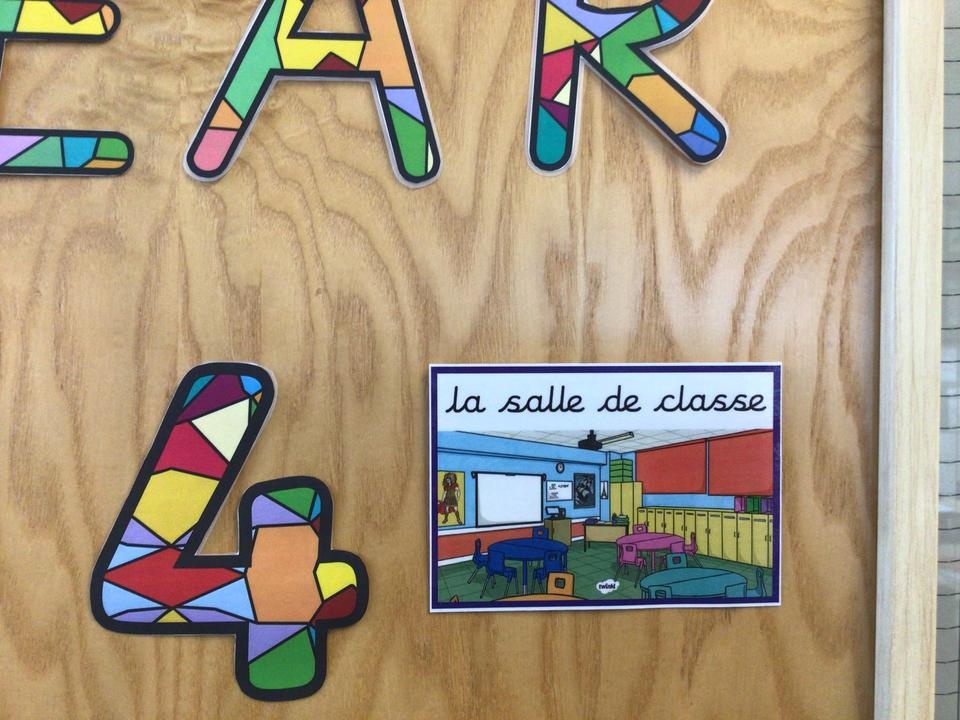
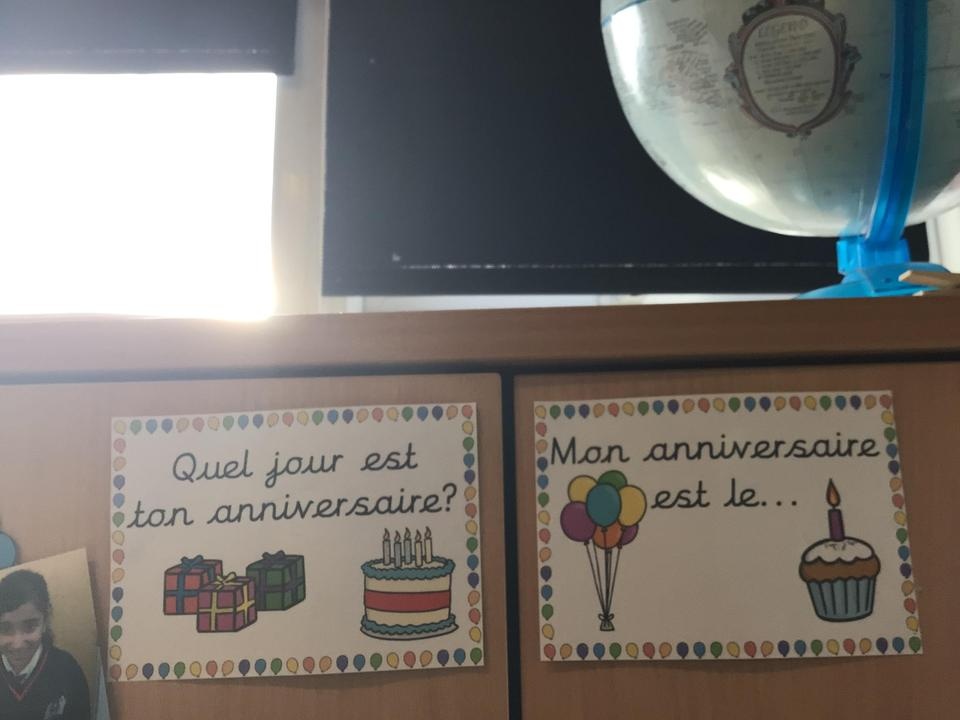
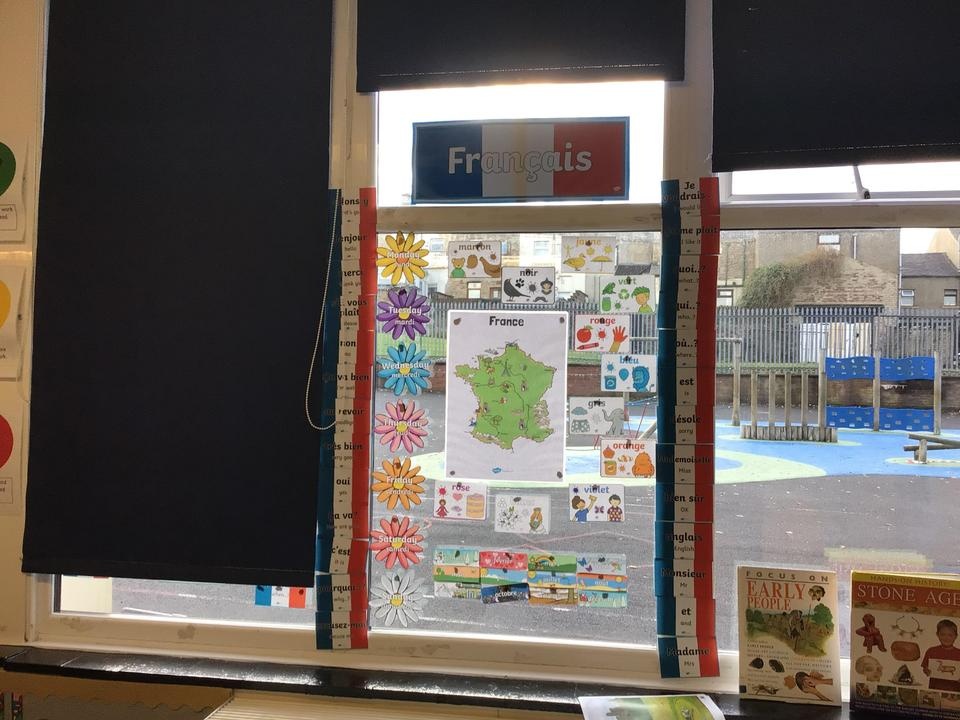
In KS2, all children learn a language. At St. Mary and St. Joseph’s, French is our chosen core language to study. We aim to do this in a fun way, making it memorable for the children. The emphasis is on building up key skills and strategies which the children will be able to use in future language learning. The majority of lessons are based on speaking and listening, using songs, games, rhymes and repetition activities to teach the language. A small amount of written work is gradually introduced.
Intent, implementation and impact statement
Intent
St Mary and St Joseph’s intends to use Kapow scheme of work and resources to ensure we offer a relevant, broad, vibrant and ambitious foreign languages curriculum that will inspire and excite our pupils using a wide variety of topics and themes. All pupils will be expected to achieve their full potential by encouraging high expectations and excellent standards in their foreign language learning - the ultimate aim being that pupils will feel willing and able to continue studying languages beyond key stage 2.
The intent is that all content will be continuously updated and reviewed annually, creating a dynamic programme of study that will be clearly outlined in both long-term and short-term planning. This will ensure that the foreign language knowledge of our pupils progresses within each academic year and is extended year upon year throughout the primary phase and, in so doing, will always be relevant and in line with meeting or exceeding national DfE requirements.
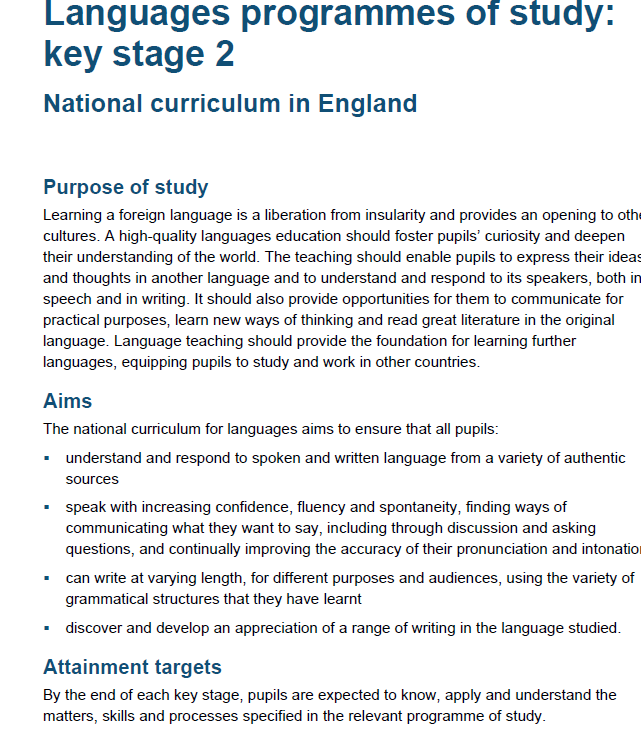
The French scheme of work aims to instil a love of language learning and an awareness of other cultures. We want pupils to develop the confidence to communicate in French for practical purposes, using both written and spoken French. Through our scheme of work, we aim to give pupils a foundation for language learning that encourages and enables them to apply their skills to learning further languages, developing a strong understanding of the English language, facilitating future study and opening opportunities to study and work in other countries in the future. The French scheme of work supports pupils to meet the National curriculum end of Key stage 2 attainment targets.
The key language learning skills; listening, speaking, reading and writing, grammar and intercultural understanding will be taught in an age-appropriate way across the primary phase. This will enable pupils to use and apply their learning in a variety of contexts, laying down solid foundations for future language learning and also helping the children improve overall attainment in other subject areas. In addition, the children will be taught how to look up and research language they are unsure of and they will have a bank of reference materials to help them with their spoken and written tasks going forward. This bank of reference materials will develop into a reference library to help pupils recall and build on previous knowledge throughout their primary school language learning journey.
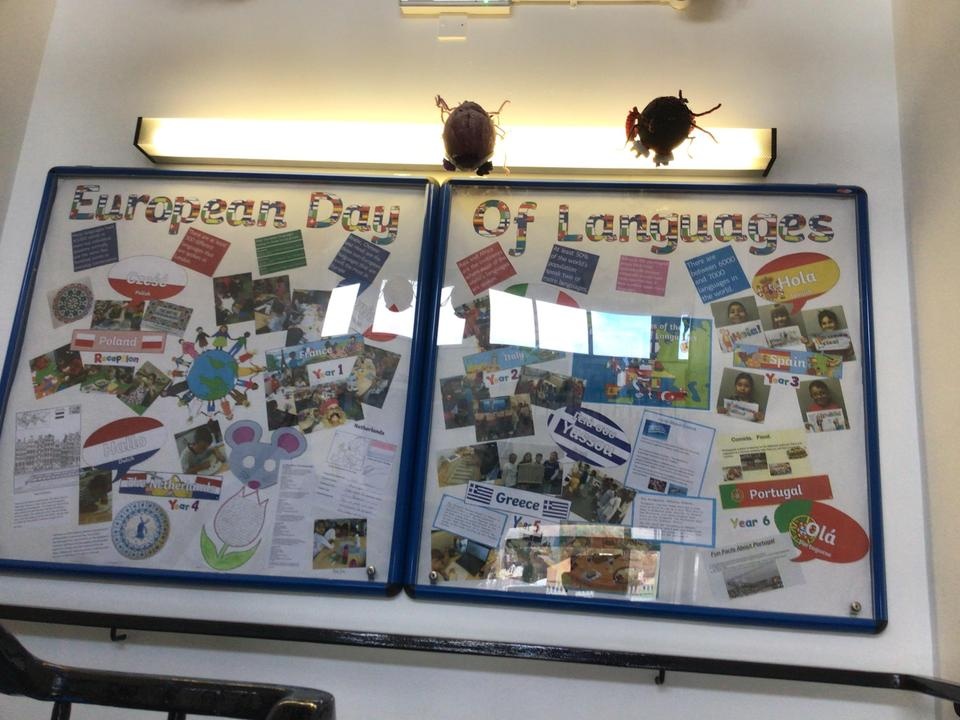
The intent is that all pupils will develop a genuine interest and positive curiosity about foreign languages, finding them enjoyable and stimulating. Learning a second language will also offer pupils the opportunity to explore relationships between language and identity, develop a deeper understanding of other cultures and the world around them with a better awareness of self, others and cultural differences. The intention is that they will be working towards becoming life-long language learners.
Implementation
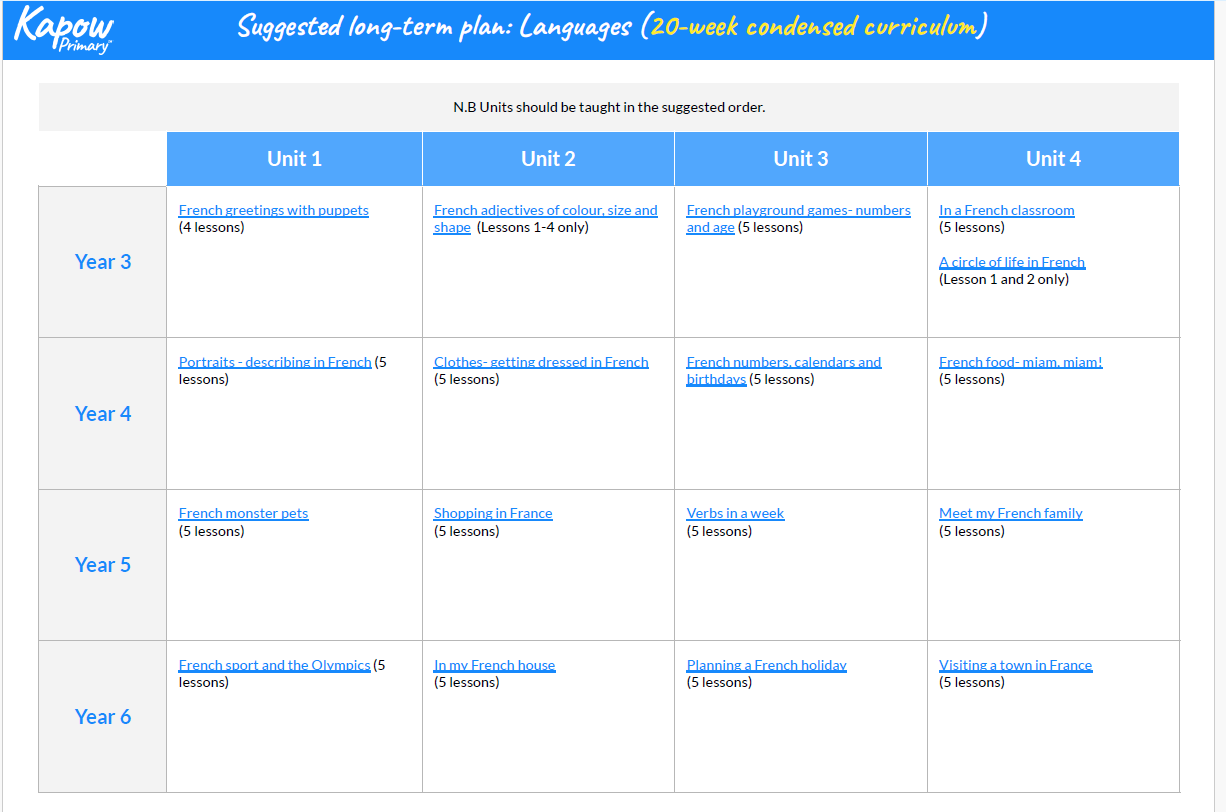
All classes will have access to a very high-quality foreign languages curriculum using the Kapow scheme of work and resources. This will progressively develop pupil skills in foreign languages through regularly taught and well-planned lessons over a 20-week condensed scheme in KS2 which will be taught by class teachers.
The French scheme of work is designed with three knowledge strands that run throughout our units with knowledge building cumulatively.
These are:
● Phonics
● Vocabulary
● Grammar
This knowledge can then be applied within our skills strands, which also run throughout each unit in the scheme:
● Language comprehension (Listening and reading)
● Language production (Speaking and writing)
Our National Curriculum coverage shows which of our units cover each of the National curriculum attainment targets as well as each of the strands. Our Progression of skills and knowledge shows the skills and knowledge that are taught within each year group and how these skills develop to ensure that attainment targets are securely met by the end of Key Stage 2. Through the French scheme, pupils are given opportunities to communicate for practical purposes around familiar subjects and routines. The scheme provides balanced opportunities for communication in both spoken and written French, although in Year 3 the focus is on developing oral skills, before incorporating written French in Year 4 and beyond. The scheme is a spiral curriculum, with key skills and vocabulary revisited repeatedly with increasing complexity, allowing pupils to revise and build on their previous learning. Cross-curricular links are included throughout our French units, allowing children to make connections and apply their language skills to other areas of their learning.
Children will progressively acquire, use and apply a growing bank of vocabulary, language skills and grammatical knowledge organised around age-appropriate topics and themes - building blocks of language into more complex, fluent and authentic language.
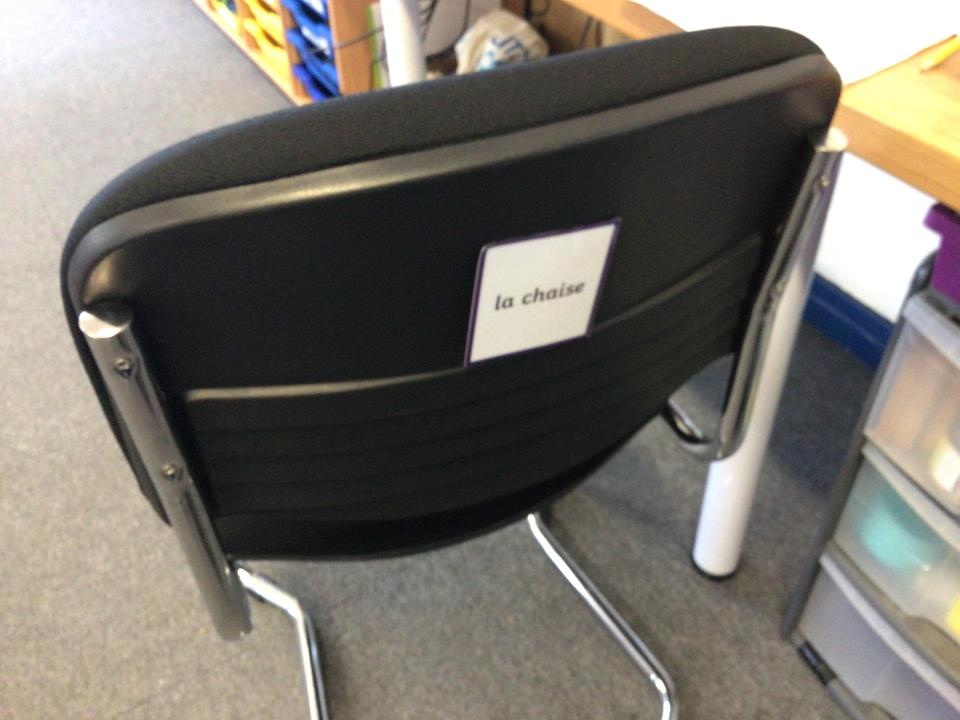
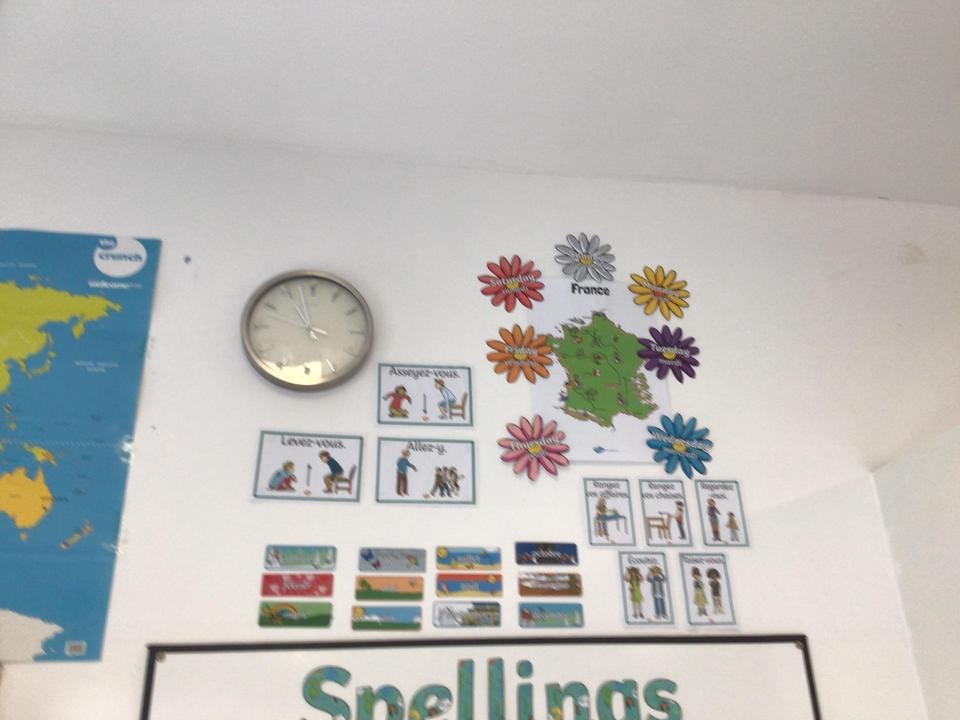
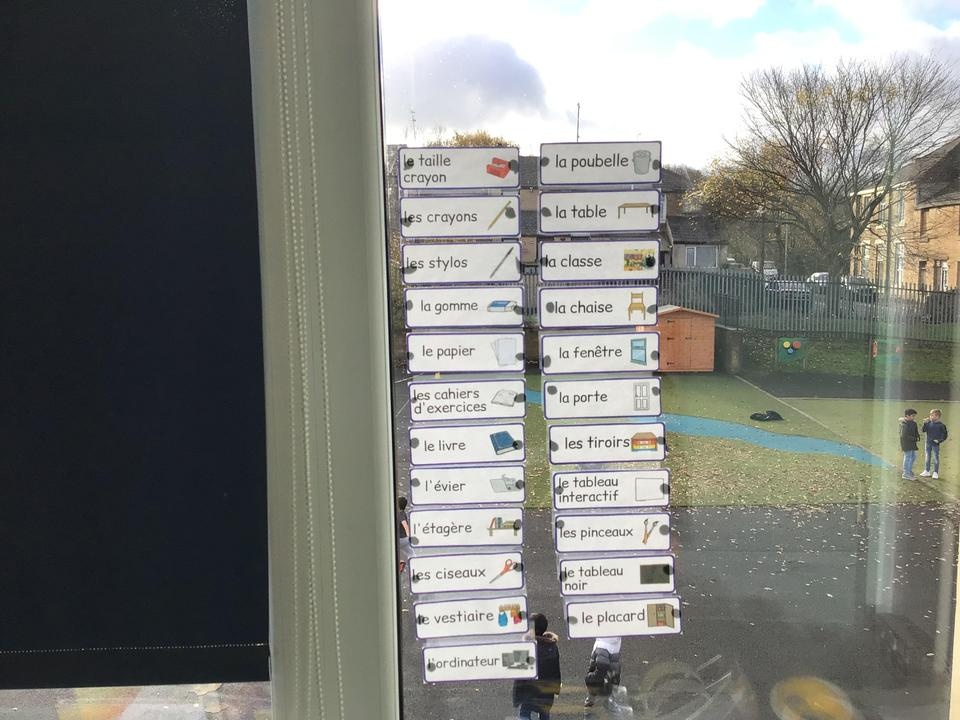
Lessons incorporate a range of teaching strategies from independent tasks, paired and group work including role-play, language games and language detective work. Our scheme of work focuses on developing what we term ‘language detective skills’ and developing an understanding of French grammar, and key vocabulary rather than on committing to memory vast amounts of French vocabulary. Pronunciation is emphasised early on using our Mouth mechanics videos to support pupils with phoneme pronunciation in French. Differentiated guidance is available for every lesson to ensure that lessons can be accessed and enjoyed by all. In order to help pupils, retain their French learning, we provide information about how to incorporate French into the classroom environment every day in our ‘During the week’ sections. Strong subject knowledge is vital for staff to be able to deliver a highly effective languages curriculum. Each unit of lessons includes multiple teacher videos to develop subject knowledge and support ongoing CPD. This has been created with the understanding that many teachers do not feel confident delivering the full languages curriculum and every effort has been made to ensure that they feel supported to deliver lessons of a high standard that ensure pupil progression. Lessons include a section entitled, 'Teacher knowledge - language points' to explain key grammar and other details to the teacher before the lesson, together with a Key vocabulary and pronunciation presentation with sound files to demonstrate the correct pronunciation. Many of the other presentations included in the lessons also include sound files, supporting teachers who are less confident with their own pronunciation to deliver the lesson and support the children's learning.
Impact
The impact of the scheme can be monitored continuously through both formative and summative assessment. Each lesson includes guidance to support teachers in assessing pupils against the learning objectives. An assessment spreadsheet is also available to record children’s progress in each lesson to enable you to build a picture of their learning through each unit. After the implementation of French, pupils should leave school equipped with a range of language-learning skills to enable them to study French, or any other language, with confidence at Key Stage 3.
The expected impact of following the French scheme of work is that children will:
➔ Be able to engage in purposeful dialogue in practical situations (e.g., ordering in a cafe, following directions) and express an opinion.
➔ Make increasingly accurate attempts to read unfamiliar words, phrases, and short texts.
➔ Speak and read aloud with confidence and accuracy in pronunciation.
➔ Demonstrate understanding of spoken language by listening and responding appropriately.
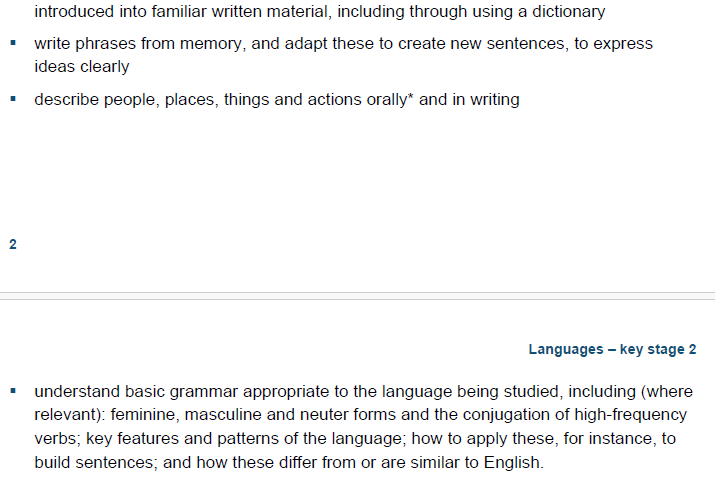
➔ Use a bilingual dictionary to support their language learning.
➔ Be able to identify word classes in a sentence and apply grammatical rules they have learnt.
➔ Have developed an awareness of cognates and near-cognates and be able to use them to tackle unfamiliar words in French, English, and other languages.
➔ Be able to construct short texts on familiar topics.
➔ Meet the end of Key Stage 2 stage expectations outlined in the National curriculum for Languages.
French Curriculum
Year group overviews
Progression Maps
National Curriculum
Useful Websites
Accordion contenghmft
Policy
Accordion content
-
Duolingo Learn languages for free
Gallery
Modern Foreign Languages News
There are no items in this News Category